
en

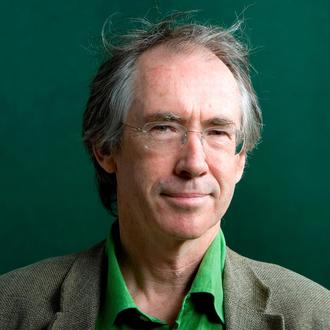
Ian McEwan

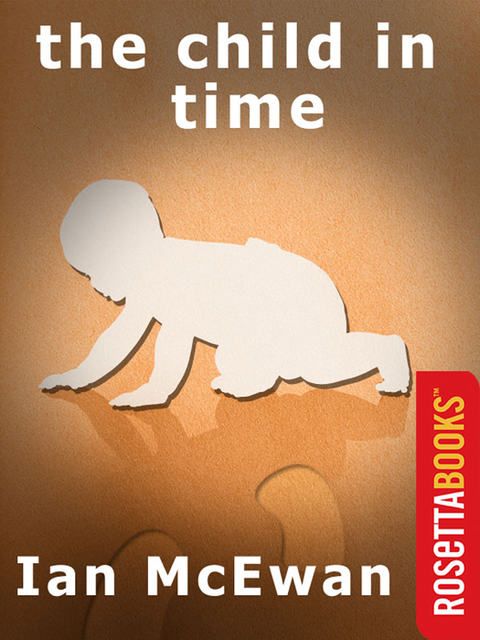
Ian McEwan is a British novelist best known for his literary fiction. His notable books include Atonement (2001) and Amsterdam (1998). He won the Booker Prize for Amsterdam in 1998 and the Whitbread Novel Award for The Child in Time in 1987.

Born in 1948, McEwan gained early recognition for his debut short story collection, First Love, Last Rites (1975), which won the Somerset Maugham Award.

He studied English Literature and Creative Writing at the University of Sussex and later at the University of East Anglia. His career spans over five decades, during which he has published numerous novels, short stories and essays.

In 2001, Atonement brought McEwan widespread critical acclaim and several awards, including the W H Smith Literary Award and the National Book Critics Circle Fiction Award. The novel was adapted into an Oscar-winning film in 2007. His other notable works include Saturday (2005), the James Tait Black Memorial Prize winner, and On Chesil Beach (2007), which was named Galaxy Book of the Year.

McEwan’s writing is characterised by psychological insight, intricate plotting and moral complexity. His novels often explore themes of memory, guilt and human relationships. He has also addressed contemporary issues such as climate change and scientific knowledge.

His most recent novel, What We Can Know (2025), is described by McEwan as 'science fiction without the science'. It explores history, memory, and survival across the past, present, and future. The plot revolves around a lost poem, rising sea levels submerging the UK, and an academic named Tom Metcalfe's quest. McEwan says the book is about 'a quest, a crime, revenge, fame, a tangled love affair, mental illness, love of nature and poetry, and how, through all natural and self-inflicted catastrophes, we somehow manage to survive.'

Throughout his career, Ian McEwan has been shortlisted multiple times for the Booker Prize, receiving international honours such as the German Schak Prize.

Photo credit: www.ianmcewan.com
years of life: 21 June 1948 present

Quotes

Arooma Zehrahas quotedlast month
“Dear Miss Morland, consider the dreadful nature of the suspicions you have entertained. What have you been judging from? Remember the country and the age in which we live. Remember that we are English: that we are Christians. Consult your own understanding, your own sense of the probable, your own observation of what is passing around you. Does our education prepare us for such atrocities? Do our laws connive at them? Could they be perpetrated without being known in a country like this, where social and literary intercourse is on such a footing, where every man is surrounded by a neighbourhood of voluntary spies, and where roads and newspapers lay everything open? Dearest Miss Morland, what ideas have you been admitting?”
Arooma Zehrahas quotedlast month
Her play was not for her cousins, it was for her brother, to celebrate his return, provoke his admiration and guide him away from his careless succession of girlfriends, toward the right form of wife, the one who would persuade him to return to the countryside, the one who would sweetly request Briony’s services as a bridesmaid
Arooma Zehrahas quotedlast month
the usual animals, but all facing one way—toward their owner—as if about to break into song, and even the farmyard hens were neatly corralled.
fb2epub
Drag & drop your files (not more than 5 at once)