
Log in
en
English
Русский
Español
Dansk
Türkçe
Bahasa Indonesia
Svenska
Deutsch
Nederlands
Українська
Português
Srpski i Crnogorski
Български
Magyar
Hrvatski
Share
Facebook
Twitter
Copy link
Pen & Sword Books

1.1KBooks2Followers
Independent publisher of military, aviation, maritime, family history, transport, social & local history, true crime books, @white_owl_books & more!
- Like
- Comment
- ShareFacebookTwitterCopy link
- Report this
- Like
- Comment
- ShareFacebookTwitterCopy link
- Report this
- Like
- Comment
- ShareFacebookTwitterCopy link
- Report this
- Like
- Comment
- ShareFacebookTwitterCopy link
- Report this
- Like
- Comment
- ShareFacebookTwitterCopy link
- Report this
- Like
- Comment
- ShareFacebookTwitterCopy link
- Report this
- Like
- Comment
- ShareFacebookTwitterCopy link
- Report this
- Like
- Comment
- ShareFacebookTwitterCopy link
- Report this
- 1 added
- Like
- Comment
- ShareFacebookTwitterCopy link
- Report this
- 1 added
- Like
- Comment
- ShareFacebookTwitterCopy link
- Report this
- Like
- Comment
- ShareFacebookTwitterCopy link
- Report this
- Like
- Comment
- ShareFacebookTwitterCopy link
- Report this
- Like
- Comment
- ShareFacebookTwitterCopy link
- Report this
- Like
- Comment
- ShareFacebookTwitterCopy link
- Report this
- Like
- Comment
- ShareFacebookTwitterCopy link
- Report this
- Like
- Comment
- ShareFacebookTwitterCopy link
- Report this
- 1 added
- Like
- Comment
- ShareFacebookTwitterCopy link
- Report this
- Like
- Comment
- ShareFacebookTwitterCopy link
- Report this

- Like
- Comment
- ShareFacebookTwitterCopy link
- Report this
- Like
- Comment
- ShareFacebookTwitterCopy link
- Report this
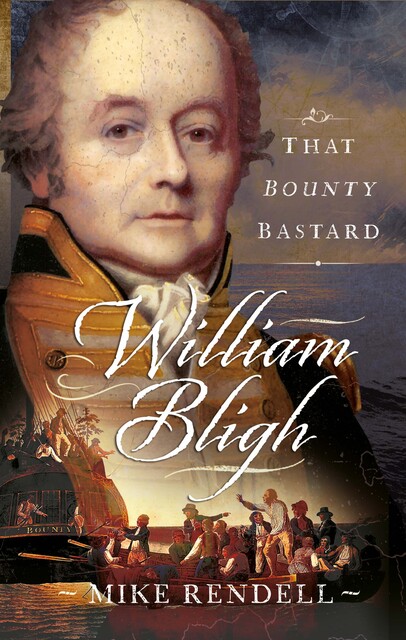
Reassesses William Bligh, highlighting his navigation feats, leadership, and career beyond the infamous Bounty mutiny.William Bligh — That Bounty Bastard tells the story of a man whose reputation has been permanently ruined by his portrayal in films as a cruel and vindictive tyrant. The facts prove otherwise. This book looks at the life of a much-maligned man who was a protégé of the explorer James Cook and who enjoyed the unwavering patronage of the botanist Sir Joseph Banks throughout his life. Sent to Tahiti to transport breadfruit plants to the West Indies, he is nowadays renowned only for his part in the Mutiny on the Bounty. Critics overlook the astonishing feat of navigation and leadership in bringing his men to safety after a voyage of more than 4000 miles in an open boat — with very limited supplies.He was successful in his breadfruit mission on the second attempt and then went on to considerable naval glory due to his courage in battle. It earned him the prestigious appointment of Governor of New South Wales. This proved to be a poisoned chalice — and he was thrown out of office by an insurrection intent on preserving the army’s corrupt hold on power.The book also examines what happened to Fletcher Christian after he sailed the Bounty to Pitcairn, examines the voyage of the Pandora, which brought some of the mutineers back to Britain, and examines the ensuing courts martial.This is the story of a man who was sincere, stubborn and somewhat staid — but with astonishing temper tantrums when provoked or opposed in the execution of what he saw to be his duty.
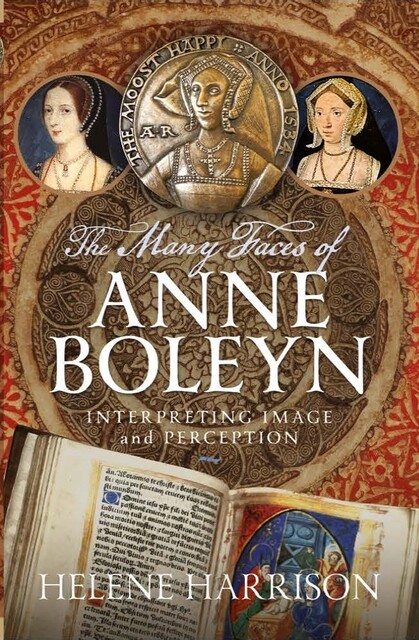
Explores Anne Boleyn’s life and legacy through 500 years of images, perceptions, and historical interpretations.Mistress. Queen. Reformer. Traitor. Icon.This book is not like any others you might have read on Anne Boleyn. It is not a biography of the life of Henry VIII’s second wife and queen. What this book does is to examine Anne Boleyn through images and perceptions of her. Through documents, letters, images, propaganda, films, novels and historical biographies, this book explores Anne Boleyn through more than 500 years of history. Explore how perceptions of her have changed and developed over time. Whether she is seen as a mistress, a queen, a mother, a reformer, a traitor, or a tragic heroine, Anne Boleyn continues to inspire so much exploration and even new discoveries today. See Anne through the eyes of people who knew her, loved her, hated her, and studied her. In the present day, Anne Boleyn has quite a devoted scholarship, honed through perceptions built over the last half a millennium. Her life, reign, and tragic death at the hands of the man who tore England apart to be with her have made Anne Boleyn one of the most divisive and exciting figures in English history.
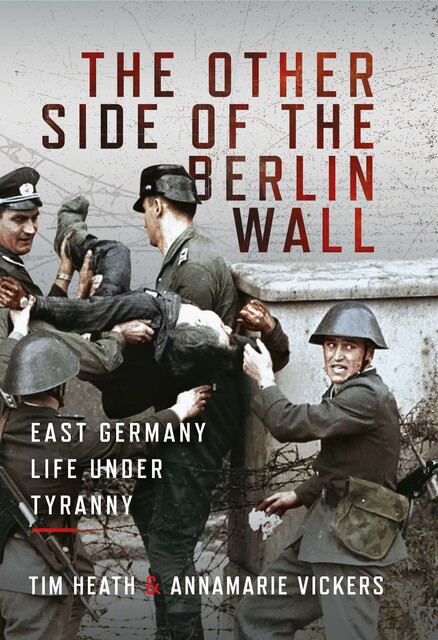
Chronicles life under East Germany’s GDR, the Berlin Wall’s rise, and citizens’ struggle for freedom.At midnight of 12 August 1961 East Germany became partitioned from the West by an ideological barrier that would remain a chancroid rash upon the political landscape of post WW2 Europe for some forty-five years. Initially little more than rolls of barbed wire, this barrier soon became the concrete monolith known the world over as the Berlin Wall.Prior to the construction of the wall an exodus of some 3.5 million East Germans circumvented the Eastern Bloc emigration restrictions in order to escape the socialist nightmare that many knew was now imminent.For those on the other side of the wall their lives would be characterized by fear, oppression, the denial of basic human rights and an abject paranoia coupled with endless ques of people outside shops with no goods to sell.This book tells the story of those who lived under the German Democratic Republic (GDR) where Marxism-Leninism and Russian language were compulsory for all schoolchildren.Although hatred and resistance towards the regime soon flourished it would take many decades for communism to choke upon its own poison, but would a re-unified Germany and the rest of Europe be any safer in the wake of its demise?
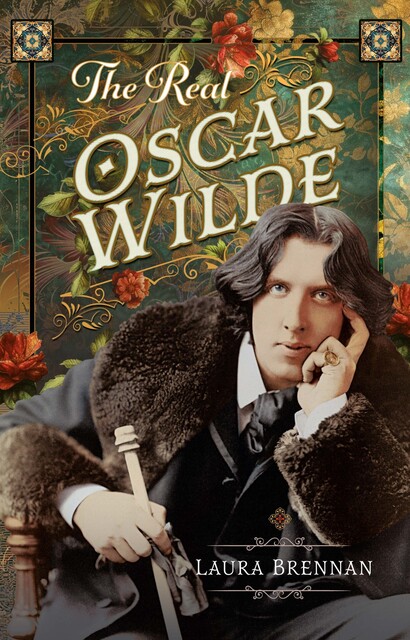
Ireland’s celebrated poet and playwright, led a brilliant yet scandalous life that shaped his enduring literary and personal legacy.Born to over achieving parents during the conservative and bourgeois Victorian period, in 1854, Oscar Fingal O’Flahertie Wills Wilde would become one of Ireland’s finest poets and playwrights.The moulding of the real Oscar Wilde was shaped by his formative years, education and experiences, but he would continue to evolve and change as a poet, aesthete, a playwright, political thinker, essayist, husband, father, lover and even while he was prisoner. He was a complex and sometimes contradictory man, and was in many ways, ahead of the times in which he lived in.His professional successes including The Picture of Dorian Gray, The Importance of Being Ernest and A Woman of No Importance, to name but a few, are some of the most quoted works in modern times.But it is his personal life and the Victorian scandal that he caused in 1895 that Wilde is most remembered for today. Just after his second son was born, Wilde started to explore his sexuality. This new personal liberation and happiness would lead to meeting Lord Alfred “Bosie” Douglas. At the height of his success, Wilde’s life and the lives of his wife and children changed forever after a libel suit that lead to criminal charges and then to prison.Wilde’s time as a prisoner and his life after prison were filled with physical and mental illness, sadness, tragedy and loneliness that all contributed to his death in 1900. The real Oscar Wilde can be found in the legacy of work that he left behind, the lives of his two sons, Cyril and Vyvyan, and how his story had become important to the modern LGBTQ communities well into the twenty-first century.
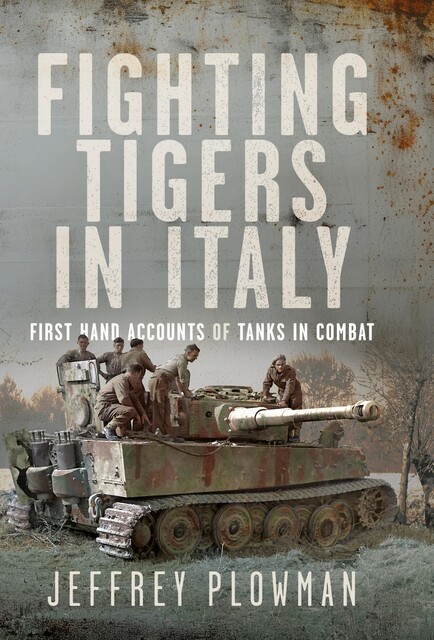
Examines the feared German Tiger tank, its strengths and weaknesses, and Allied encounters from North Africa to Italy.Of all the tanks in the German arsenal the Tiger was perhaps the one most feared, certainly by the Western Allies from the time they first encountered it in North Africa to the end of the war in Europe. This was no small feat for a tank of which only 1,347 were produced out of a total German tank production of around 27,000 tanks. This is not surprising given that it was armed with the dreaded 88 mm gun, the rounds of which could pass right through a Sherman tank and whose thick frontal armour meant that it was virtually invulnerable to anything the Allies could field at that time.Though a fearsome weapon on the surface the Tiger was not well suited to offensive operations. It suffered from a weak transmission, which often failed. The lack of suitable recovery vehicles, until the Bergepanther made its appearance, meant the crews would often attempt to tow it with another Tiger rather than abandon it. This usually resulted in the loss of both Tigers as the towing tank also broke down through mechanical failure, brought about by the extra strain imposed on the towing vehicle. However, as a defensive weapon it was second to none, especially in Italy. Here the country’s hilly terrain, with its scattering of small villages, restricted the routes of advance the Allies could take. Just the knowledge that Tigers were in the area imposed an extra caution on Allied tank crews, particularly after their duels with its lighter Panzer cousins.Starting at the Anzio amphibious landings in January 1944 and finishing with the Senio offensive in 1945, the book draws on official histories unit diaries, reports, and personal accounts to look at encounters between Tigers (and sometimes the Elefant based on the hull of its cousin the Porsche Tiger). In this way it seeks to examine how the crews of Allied armour leaned to deal with this menace and sometimes failed to do so to their chagrin. To illustrate this the narrative delves into a number of detailed accounts of some significant encounters at Anzio, in Tuscany and on the plains of the Po Valley.
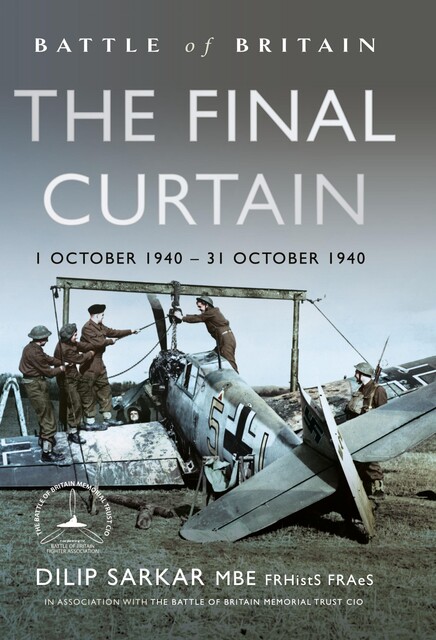
Chronicles the final phase of the Battle of Britain, detailing raids, tactics, and their broader significance.In the seventh volume of Dilip Sarkar’s groundbreaking eight-part series, the day-to-day events of the fifth and final phase of the Battle of Britain are meticulously chronicled. This volume not only details every raid and squadron action but also places them within a broader context, including the roles of Bomber and Coastal Commands and the impact on the Home Front.Sarkar, renowned for his evidence-based research, revisits primary sources to challenge established narratives. This series represents the most comprehensive and up-to-date research on the Battle of Britain, standing out in its extensive bibliography.Volume 6 explored Reichsmarschall Göring’s determination to continue Luftwaffe attacks despite mounting losses. By late September 1940, the German He 111 bombers were shifted to night operations due to unsustainable daylight losses. The final phase saw Me 109 fighter-bombers and high-altitude fighter sweeps dominating daylight engagements. While these tactics were unlikely to defeat Britain, RAF pilots recall this period as the most grueling, with intense high-altitude dogfights between Spitfires and Me 109s.This volume concludes with a review of October 1940’s key events, questioning the month’s designation as the battle’s end and reflecting on the overall significance of the summer’s aerial engagements. Sarkar’s work provides invaluable insight into this critical phase of World War II.
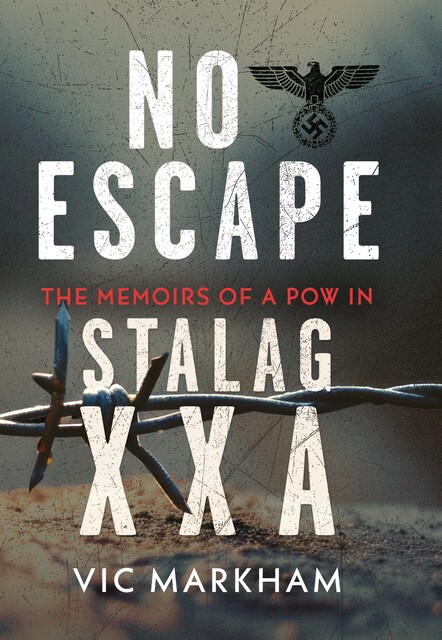
This story of life in a German prisoner of war camp is different from the normal British POW story, as the author was a Gunner in the Royal Artillery — not an officer — who was accepted by the German Authorities as a Medical Orderly and, therefore, Protected Personnel. As such, he gives a unique portrait of being a prisoner of the Germans.He gives graphic descriptions of the day to day life in POW camps and his tasks and experiences as a medical orderly over the five year period.He also gives a vivid account of what turned out to be a forced three month, one thousand mile march, from Poland into Germany in the height of winter towards the end of the war and his experiences as a medical orderly. Out of the three thousand who started the march, he writes, only seven hundred survived.
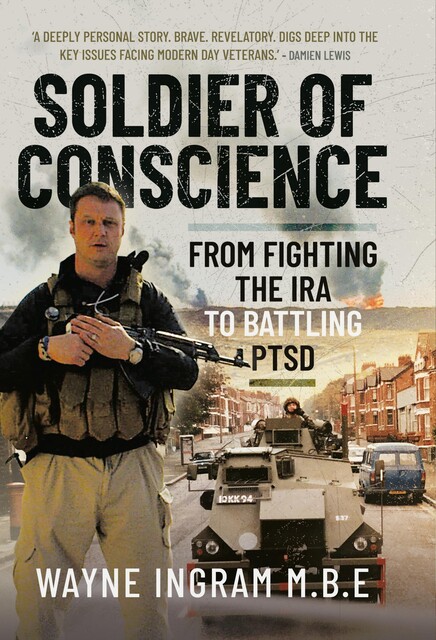
A deeply personal story. Brave. Revelatory. Digs deep into the key issues facing modern day veterans.' — **Damien Lewis**Soldier of Conscience is the true story of Wayne Ingram M.B.E, a British soldier who, after experiencing the horrors of war and battling Complex PTSD, finds his life changed by a four-year-old boy named Stefan. Born into a war-torn country and severely disfigured, Stefan’s encounter with Wayne begins a journey of healing for both of them. Over the course of 13 years, Wayne's aggression and trauma are softened by Stefan’s love, courage, and the bond they share. Their relationship helps Wayne rediscover a life beyond war and violence, ultimately leading him to become a better, more compassionate person.Ingram’s story takes readers through various chapters of his life—his military service in reconnaissance, the challenges of PTSD, his work as a paramedic, and his volunteer efforts as a firefighter. The book also details his career in remote medicine, including time spent in war zones like Iraq and Africa, where he faced personal and professional challenges. Along the way, readers are immersed in his fundraising efforts, such as surviving a life raft challenge and organizing a 24-hour cycling event to build an orphanage in Africa.This is an emotional and multi-faceted narrative, blending themes of love, courage, death, mental health struggles, and personal growth. Written from the heart, it is a raw and honest account of a man who overcame his past through the transformative power of love and compassion. This memoir resonates with anyone facing personal battles, making it relatable to a wide audience.
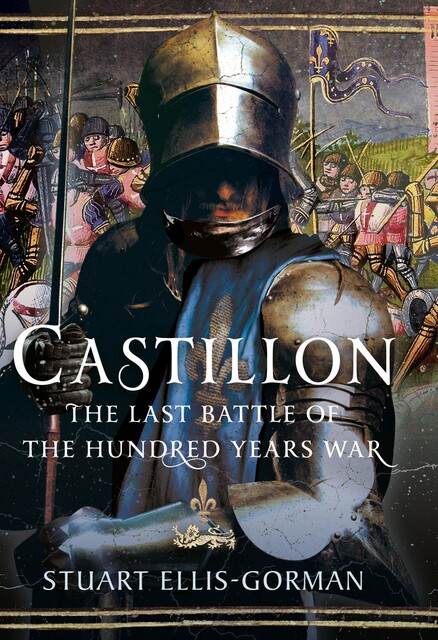
Examines the 1453 battle ending English Gascony rule, reshaping warfare and unifying France.The Battle of Castillon, fought outside the French city of the same name on 17 July 1453, was the final battle in the Hundred Years War. It was also a disastrous defeat for the English monarchy. It saw the death of one of England’s most famous medieval commanders and the complete collapse of the last vestiges of English rule in Gascony, which had been a possession of the English monarchy for nearly three centuries. The French King Charles VII completed his unification of his kingdom, once riven by a civil war that had forced him to flee Paris, and left England with only Calais as a toe-hold in France.Castillon drew together a wide cast of characters who had defined the end of the Hundred Years War. John Talbot and the Gascon nobility represented the English but against them were men who had fought alongside Jeanne d’Arc, mercenary captains, and soldiers from across France. The French were also supported by the cannons and defences of the Bureau brothers, who had risen from relatively modest backgrounds to become some of the defining military men of their era. It has sometimes even been seen as a transformative battle — the last medieval battle which ushered in a more modern form of warfare.Despite its importance, and Castillon is easily a rival to Crécy and Agincourt in terms of significant battles of the Hundred Years War, Castillon has been largely neglected in English language scholarship. This book is the most substantial study of the battle to date and aims to correct this oversight by examining not just the battle but how the war reached the point of being decided in Gascony in 1453 and its aftermath and legacy.Castillon: The Last Battle of the Hundred Years War covers the origins of the Hundred Years War, the Edwardian and Lancastrian phases of the war, the Military Revolution of the fourteenth century and Charles VII’s radical restructuring of the French military in the fifteenth century, as well as a detailed study of the battle and how we can know what happened on that day in Gascony. It is far reaching and comprehensive in how it analyses this key battle and will give readers a substantial understanding in not just Castillon but in late medieval Anglo-French warfare in general.
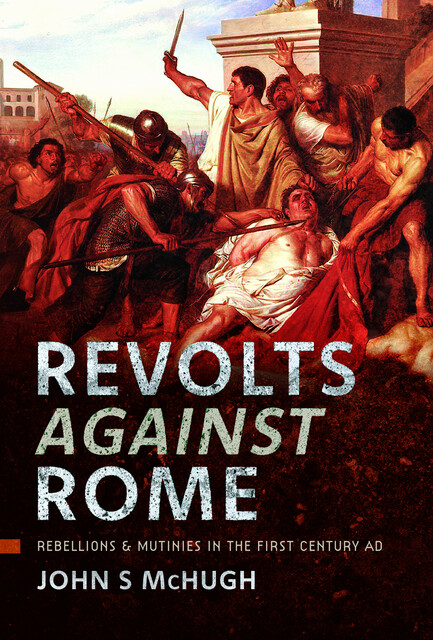
Throughout the first century AD, the emperors of Rome faced various threats to their rule from ambitious or embittered nobles. However, events show the Roman legionaries to be tenaciously loyal to the Julio-Claudian dynasty. The murder of Nero, the last of his dynasty, unleashed chaos where allegiance was bought by ‘the madness of the leading men.’ The troops, increasingly recruited from men who had never seen Italy, were often happy to draw their swords in support of a provincial governor against an emperor who was himself a victorious usurper. If successful in raising their own candidate to ‘the purple’ they could expect the gratitude to be tangible and spendable. Mutinies were rare and often caused by changes to conditions of service or harsh discipline which demeaned the soldier’s status and honour. This is the story of the common soldier and their often ruthless and brutal commanders.John McHugh examines each of the major cases of armed rebellion or military mutiny during the first century. Skilfully intertwined with the narrative of these dramatic and usually bloody events is his analysis of the underlying causes and the varying degrees of success in the face of the Imperial response to these threats.
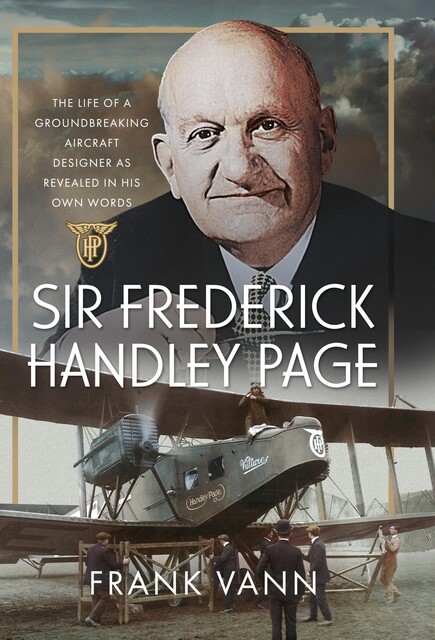
Sir Frederick Handley Page’s aviation career began after his dismissal from Johnson & Phillips Ltd. for unauthorized aircraft experiments. Undeterred, he founded his own company, building his first aircraft in a shed on marshland. From these humble beginnings, Handley Page became one of the 20th century's most significant aircraft manufacturers, designing models pivotal in both world wars.His creations ranged from the Handley Page Type O of the Great War to the Victor bomber of the Cold War. Despite his many achievements, his life and legacy have remained relatively unexplored—until now. Drawing on extensive correspondence preserved at the Royal Air Force Museum in Hendon, this biography offers a rare glimpse into his personal and professional life.The letters reveal his interactions with aviation pioneers like Louis Bleriot, Ernst Heinkel, and Willy Messerschmitt, with one proposal even suggesting Messerschmitt as a consultant. Page’s hands-on approach is evident in his correspondence, including his 1941 exploration of bomber speeds, pressurized cabins, and jet propulsion as countermeasures against enemy fighters.This biography, enriched by Page’s own words, highlights his foresight, passion, and dedication, offering insights into his role as an innovator and leader during a time of great technological change and global conflict.
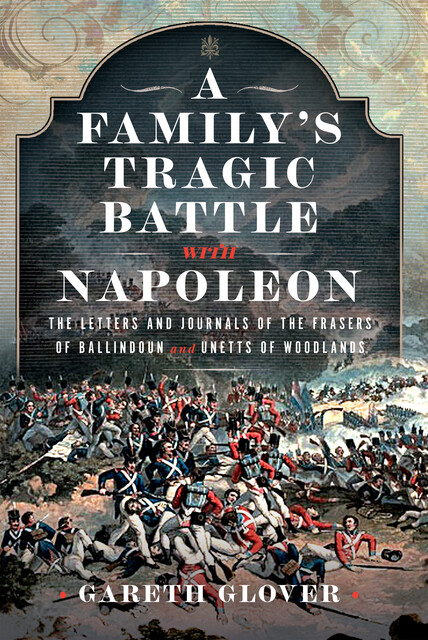
Captain John Grant Fraser of the Royal Artillery had succeeded to the titles of Ballindoun and Kinneries via the unexpected death of his elder brother James Fraser on 1 May 1791. John Grant died in 1798 and the title passed to his eldest son Baillie Fraser, their uncle Hugh acting as guardian until his coming of age.James Baillie Fraser joined the Army and rose to the rank of lieutenant in the 7th Fusiliers, serving in the Peninsular war. His younger brother Alexander John Fraser also joined the Army serving in the peninsula, becoming a lieutenant in the 52nd Foot. Both wrote home regularly to their sister Ann and gave fascinating details of life at war, but tragically James was killed at the Battle of Sorauren on 28 July 1813 and his brother Alexander was severely wounded and died at Bera on 20 October the same year. Within six months the war had ripped the heart out of the family.The estates passed to Ann, who tragically died on 16 December 1816, the whole then passing to their uncle Hugh. He sold the estates and the family ties to Ballindoun and Kinneries were broken for ever — effectively destroyed by the Napoleonic wars.Beyond the letters from Ann’s two tragic brothers, her collection also includes much material from her uncles on her mother’s side who were also heavily involved in the wars. George Wilkes Unett, Royal Artillery, served in the West indies, Martinique, Copenhagen and Waterloo, whilst his other brother Richard Wilkes Unett served in the West Indies. Their letters show clearly how the war was indeed a World War and how families were sucked into this ever hungry meatgrinder.Finally we have the fascinating journal of their brother John Wilkes Unett, a solicitor by trade but who happened to travel to Paris to visit his brother and experience the city shortly after the allies had taken possession in 1815.These letters and journals provide a fascinating insight into the lives of an ordinary family in extraordinary times and how two sudden tragedies destroyed it.
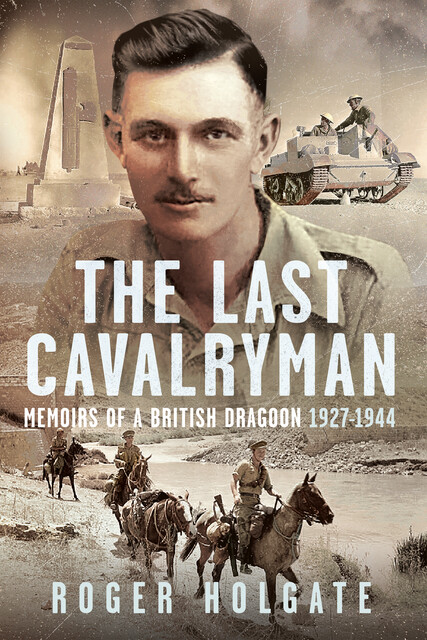
In 1927, mounted cavalry was still a powerful and effective force in the mountains and plains of Northern India, where it policed and protected the border of the British Empire. When, in 1939, the world was engulfed in the flames of a second world war, horsed transport was still vital to the success of all armies involved, but the rapid advance of military technology meant that the men of the British Cavalry would have to learn new skills if they were to be effective against the steel monsters that were starting to dominate the battlefield.From Yorkshire to the Northwest Frontier of India, from France to Palestine, Syria, Egypt, Libya, Tunisia and Italy, THE LAST CAVALRYMAN recounts the experiences of an ordinary man who along with so many others, was thrown into the turmoil of an extraordinary time. Although he also served as a hussar, and an infantryman, he was always proud to be a member of The Queen’s Own Yorkshire Dragoons, and this is his story.Richly illustrated with photographs, maps, and military documents, the memoirs of Quartermaster Sergeant Harry Holgate provide a vivid and fascinating insight into the changing role of a British cavalryman from 1927 to 1944. His letters home offer an intimate glimpse of a time when warfare was changing out of all recognition, and when the cost of defeat would be unimaginable.
This is an insider’s history of the UK’s development of on-site inspections for nuclear, chemical, and biological weapons arms control and disarmament treaties from the late 1980s through to the first two decades of the 21st century. It provides for the first time in print a detailed narrative and analytical account from the personal perspective of a senior Foreign and Commonwealth Office expert, who participated in scores of realistic and demanding verification exercises at British as well as overseas military and commercial facilities, including at the former Soviet nuclear weapons test site at Semipalatinsk in Kazakhstan. The book draws on the author’s personal recollections, state papers in The National Archives and official reports submitted to the Conference on Disarmament and other international meetings to pull together a fascinating and riveting account of a key, but hitherto neglected part of Cold War and post-Cold War history. Despite the differences between nuclear, biological, and chemical weapons and their means of production, the UK’s verification exercises recounted in detail here revealed many common lessons applicable to the design and implementation of on-site inspections regardless of treaty. Generally nuclear, chemical and biological arms control verification is discussed separately, but this volume uniquely discuses all three in an overall coherent overview of the lessons learned. In addition to the serious nature of the subject matter, the author also recounts the humour that was ever present and many other tales that never quite made it to the formal reports produced after the exercises.

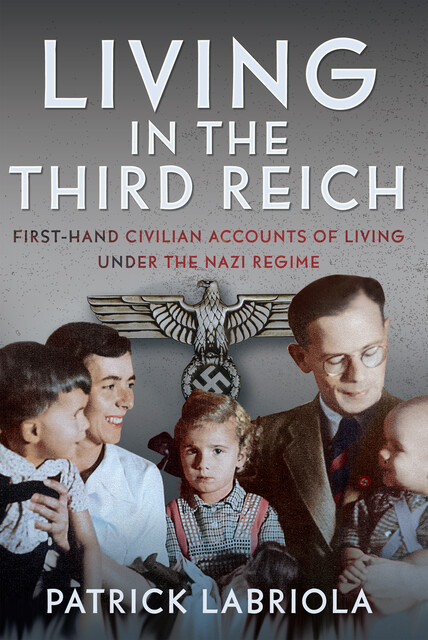
Living in the Third Reich intricately weaves together the personal stories of German historical witnesses across thematic chapters, covering diverse facets of the wartime experience. From the early years of National Socialism to the devastating bombings of German cities, these narratives are enriched with personal documents and photographs, vividly providing the human face of history.This book is more than just a chronicle of events; it is a profound exploration of human suffering and memory. Each testimony contributes to a larger mosaic, unveiling the emotional and psychological landscapes of those who endured one of history's darkest periods.Included are German perspectives on antisemitic violence, such as the Night of Broken Glass and the deportation of Jews. The book also contains accounts from those who witnessed allied bombings across Germany, and the civilians caught up in the Russian invasion. The book goes on to cover the aftermath of the war, with people displaced and some forced into labour, and life in post-war Germany.The author's dedication to impartial presentation allows these stories to resonate on their own, providing a rare and invaluable perspective on the past. Years of painstaking research, translation, and editing have transformed this book into a treasure trove for scholars and general readers alike. It serves as a vital preservation of a generation’s voices, fostering a deeper understanding of how the Third Reich's profoundly impacted ordinary lives.By presenting these accounts in their unaltered and honest form, the author ensures that the true essence of these experiences is captured and conveyed.
The versatile and reliable Class 37s quickly established themselves as a firm favourite with engine men and enthusiasts alike. Equally at home in charge of Class 1 passenger or heavy freight trains they would prove their worth over lines the length and breadth of the network, operating from their initial delivery in 1960 through the demise of steam traction and even into the modern era.This book explains their origin, development and operation, with information on every one of the 309 examples introduced. Over time numerous modifications were made resulting in a number of sub-classes. Many are described in detail, including black and white and colour photographs depicting their transformations through the decades. Soon becoming the traction of choice to head rail-tours they were, and still are, in great demand by the preservation movement. They continue to attract enthusiasts of classic traction and several are key members of the locomotive pools of heritage railways throughout the land.David Mather describes the long and successful career of this iconic class and explains the origin and demise of those which succumbed to the cutter’s torch, together with details and up to date photographs of many in preservation, where they continue to operate to the delight of railway enthusiasts of all ages.

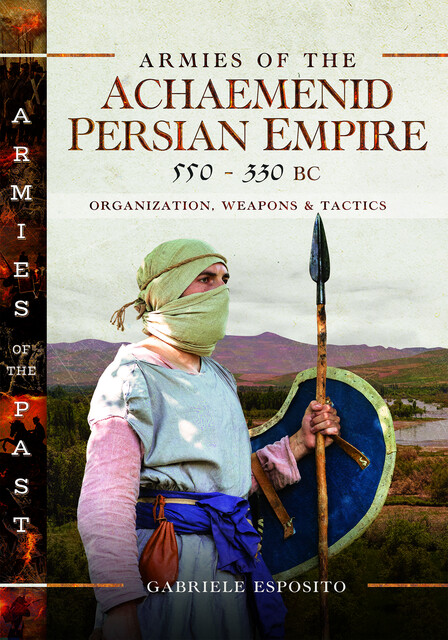
Gabriele Esposito presents a detailed overview of the history, organization, equipment and tactics of the military forces deployed by Achaemenid Persia during the period 550–330 BC. The Achaemenid Empire founded by Cyrus the Great was one of the major military powers of Antiquity, conquering vast territories that straddled three continents. Its large and varied population supplied a dazzling array of troop types, producing a versatile war machine that campaigned from India to Egypt. These were the armies that drank rivers dry as they invaded Greece and, at the Empire’s zenith, defeated the Spartans at Thermopylae and torched Athens. They continued to evolve but proved unable to cope with Alexander the Great’s Macedonians.The author outlines the major campaigns fought by the Persians from Cyrus the Great to the conquest by Alexander. He details the organization, equipment and tactics of the many different contingents that made up the Persian military forces, including (but not limited to) the famous royal guard of the Immortals, and such varied troops as Persian archers, scythed chariots, Ionian Greek hoplites, Arab camel riders, Scythian horse archers, Sogdians and Bactrian armoured cavalry, Thracian peltasts, Egyptians and Indian war elephants. The text is complemented by a colourful mix of photos of reenactors and specially-commissioned artworks.
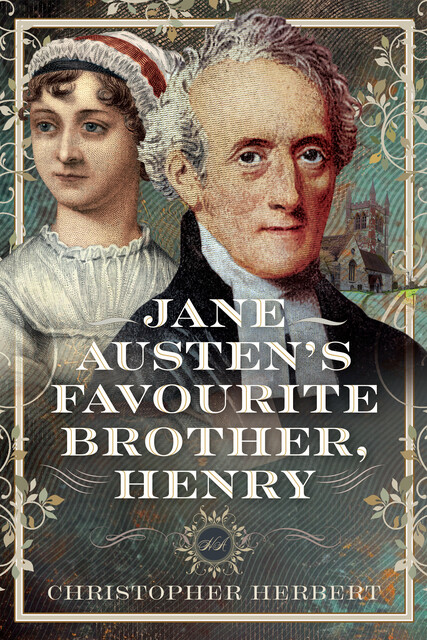
Henry Austen, Jane Austen’s favourite brother, was born into a large and lively clergy family in Hampshire. Of her seven siblings, Henry most shared Jane’s mischievous wit and facility with words and his support enabled the publication of her novels.Henry’s own life was much more incident-packed than his sister’s. By turns he was an academic, magazine editor, soldier, financier and banker, bankrupt, and finally, clergyman. His career hit the heights of Regency society, becoming linked with the Prince Regent’s set, before plummeting to the social disgrace and economic disaster of bankruptcy. Many of his activities hovered on the brink of illegality and his marriage to the enigmatic French countess, Eliza de Feuillide, also raised questions and eyebrows. Nevertheless, his kindness, charm and his loyalty to Jane never wavered. He ensured her burial in Winchester Cathedral, and he ended his days as a hard-working curate in a Surrey market town and in Hampshire villages.His life sheds a fascinating light on the vagaries of early nineteenth century society and this new and important study examines both his relationships within the Austen family and the many social milieux in which he worked, which, through his recounting of his experiences, may have provided inspiration for some of Jane’s plots and characters. As Jane herself wrote to Cassandra, 'Oh, what a Henry!'
Explores the 1916 New Jersey shark attacks, their impact on shark fear, and how media shaped harmful misconceptions.In the Summer of 1916, a series of shark attacks along the New Jersey shore would send shockwaves across its otherwise peaceful beach towns. Spanning a terrifying two weeks, including the deaths of nearly five people, these attacks would officially cement an innate fear of sharks that humans have felt since the beginning of time.Although initially kept under wraps by the tourism industry, these attacks would ultimately plaster the front pages of newspapers across the United States and even overseas. As the news spread, the line between fact and fiction blurred, reshaping our cultural and scientific understanding of the beasts of the ocean. It was the 1916 shark attacks that would establish our modern-day misconstrued perception of sharks as evil, man-eating monsters, and would later inspire the film Jaws, which would perpetuate the same harmful narrative.The Real Jaws takes an in-depth look at each one of the attacks and how they instilled a centuries-long fear of the ocean's apex predator. It explores the various theories explaining why these attacks may have occurred and the probability of something like this happening again. And finally, it analyses the way the harmful misconceptions derived from films like Jaws have redefined humanity’s relationship with sharks, leading humans to become the predators and sharks to become the prey.
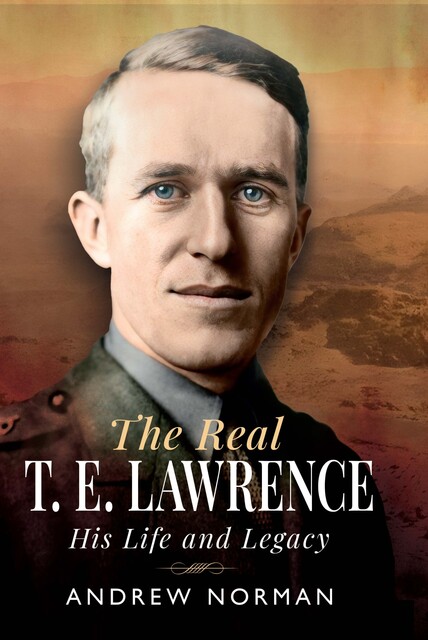
Explores the enduring mysteries of Lawrence’s postwar obscurity and complex sexuality.T. E. Lawrence, soldier and writer, the co-leader with King Faisal of Saudi Arabia of the Arab Campaign during the First World War, became a legend in his own lifetime. And yet to this day there is much about him which remains a mystery: two aspects of his character being of particular interest.This first is why, having become a famous figure with the world at his feet, did he choose, subsequently, to live a life of obscurity in the lower ranks of the armed services?The second concerns Lawrence’s sexuality. Some of his biographers have been accused of bringing ‘sex’ into their volumes, for reasons of sensationalism and publicity. To be fair, however, it was Lawrence himself who first raised the subject, by including in his book Seven Pillars of Wisdom (an account of the Desert Campaign), details of how he was captured and raped by the Turks. Lawrence, who never married, is known to have engaged in masochistic rituals. So, what was the true nature of, and explanation for his sexuality?This is the challenge of The Real T. E. Lawrence.
fb2epub
Drag & drop your files
(not more than 5 at once)