

Books
Read in our apps:
iOS
·Android
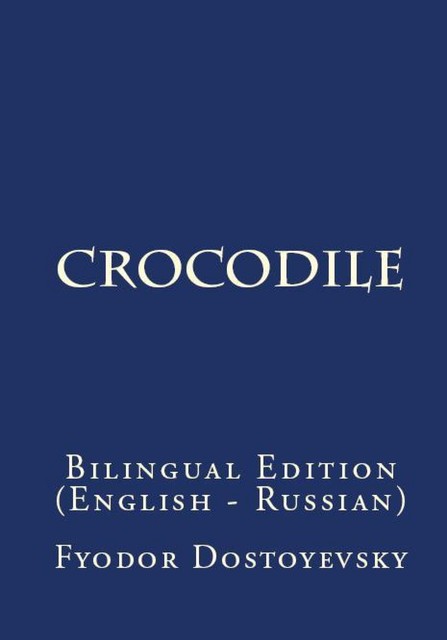
In “The Crocodile,” Fyodor Dostoyevsky presents a satirical exploration of absurdity and human nature through the peculiar narrative of a man who becomes trapped in a crocodile while attending a discussion on the value of money. The novella exemplifies Dostoyevsky's deft use of dark humor and philosophical inquiry, showcasing his ability to dissect social hierarchies and the human psyche. The work, written in 1865, is framed within the context of 19th-century Russian thought, reflecting the tumult of the period and exploring themes of materialism, existentialism, and governance'—a precursor to the more profound explorations in his later masterpieces. Dostoyevsky, deeply influenced by his own experiences of hardship, imprisonment, and moral struggles, weaves autobiographical elements into his fiction. Known for his psychological insight and exploration of ethical dilemmas, Dostoyevsky's engagement with his milieu'—marked by economic disparity and existential uncertainty'—perfuses “The Crocodile” with layers of meaning that provoke both laughter and contemplation. His own tumultuous life undoubtedly shaped the existential themes that permeate this novella. Readers interested in the intersection of humor and philosophy will find “The Crocodile” both enriching and thought-provoking. It invites a deeper reflection on the absurdities of life and the societal constructs we inhabit, making it a compelling read for anyone who appreciates literary satire and psychological complexity.
In this enriched edition, we have carefully created added value for your reading experience:
— A succinct Introduction situates the work's timeless appeal and themes.
— The Synopsis outlines the central plot, highlighting key developments without spoiling critical twists.
— A detailed Historical Context immerses you in the era's events and influences that shaped the writing.
— An Author Biography reveals milestones in the author's life, illuminating the personal insights behind the text.
— A thorough Analysis dissects symbols, motifs, and character arcs to unearth underlying meanings.
— Reflection questions prompt you to engage personally with the work's messages, connecting them to modern life.
— Hand‐picked Memorable Quotes shine a spotlight on moments of literary brilliance.
— Interactive footnotes clarify unusual references, historical allusions, and archaic phrases for an effortless, more informed read.
In this enriched edition, we have carefully created added value for your reading experience:
— A succinct Introduction situates the work's timeless appeal and themes.
— The Synopsis outlines the central plot, highlighting key developments without spoiling critical twists.
— A detailed Historical Context immerses you in the era's events and influences that shaped the writing.
— An Author Biography reveals milestones in the author's life, illuminating the personal insights behind the text.
— A thorough Analysis dissects symbols, motifs, and character arcs to unearth underlying meanings.
— Reflection questions prompt you to engage personally with the work's messages, connecting them to modern life.
— Hand‐picked Memorable Quotes shine a spotlight on moments of literary brilliance.
— Interactive footnotes clarify unusual references, historical allusions, and archaic phrases for an effortless, more informed read.
91 printed pages
- Copyright owner
- Bookwire
- Original publication
- 2023
- Publication year
- 2023
- Publisher
- Good Press

Other versions



Have you already read it? How did you like it?
👍👎

fb2epub
Drag & drop your files
(not more than 5 at once)